 Luxury India Private Tours
2 hours ago in Travel & Tourism
High Authority Social Bookmarking Site for Indian SEO in 2026 - A2Bookmarks India
A2Bookmarks India stands as the nation's premier social bookmarking site, expertly crafted for Indian users and businesses to enhance their digital visibility. Our social bookmarking site for India allows you to seamlessly save, organize, and promote essential web content while engaging with India's rapidly expanding online community. As one of the most effective Indian social bookmarking sites for 2026, our advanced SEO-optimized features help significantly boost website traffic and strengthen search engine presence across diverse markets. Join our thriving network among India's top social bookmarking sites to discover curated content, connect with industry professionals, and accelerate your digital growth. Start maximizing your online impact today with our tailored platform among the best social bookmarking sites for the Indian market designed specifically for the Indian digital landscape.
Delhi Tour Package: Explore Famous Landmarks and Hidden Gems luxuryindiaprivatetours.com
Luxury India Private Tours
2 hours ago in Travel & Tourism
Delhi is a city where centuries of history meet the energy of modern life. From magnificent Mughal monuments and bustling traditional markets to peaceful gardens and contemporary neighborhoods, India’s capital offers something for every kind of traveler. Choosing the right Delhi Tour Package can make it easier to explore these contrasting sides of the city while leaving enough time to appreciate its culture, architecture, and local experiences.
Whether you are visiting Delhi for the first time or returning to discover something new, understanding the city’s highlights can help you plan a more rewarding journey.
Discover the Historic Charm of Old Delhi
Old Delhi offers a glimpse into the city’s rich past through its narrow lanes, traditional shops, historic buildings, and lively food markets. The area developed around Shahjahanabad, the Mughal capital established by Emperor Shah Jahan in the seventeenth century.
The Red Fort is one of its most important landmarks. Built primarily from red sandstone, this impressive complex reflects Mughal architectural traditions and India’s historical journey. Nearby, Jama Masjid stands as one of the country’s most prominent historic mosques, admired for its grand courtyard and striking architecture.
Chandni Chowk brings a different kind of experience. Its crowded streets are filled with spice shops, textile stores, jewelry sellers, and long-established food businesses. Exploring the area with a knowledgeable local guide can help visitors understand its history while navigating the busy lanes.
Old Delhi is best explored without rushing. Allow time to observe everyday life, sample local specialties, and appreciate the character of this historic neighborhood.
Explore New Delhi’s Iconic Landmarks
New Delhi presents a different atmosphere, with broad avenues, landscaped gardens, government buildings, and important national monuments. Its planned layout reflects the architectural vision developed during the British colonial period.
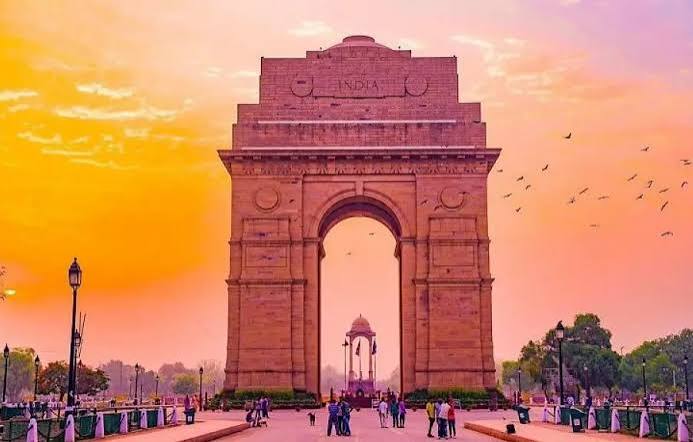
India Gate is among the city’s best-known landmarks, commemorating Indian soldiers who died during the First World War and other conflicts. The surrounding area is popular for evening walks and offers a lively public space.
Humayun’s Tomb is another essential stop for visitors interested in architecture. Its gardens, symmetrical design, and elegant dome represent important developments in Mughal architecture. The monument is also considered a significant architectural predecessor to the Taj Mahal.
Qutub Minar, located in southern Delhi, attracts visitors with its towering structure and intricate stonework. The surrounding archaeological complex contains historic remains that reveal different periods of Delhi’s development.
Visiting these attractions provides a broader understanding of the capital, from its medieval dynasties to its modern national identity.
Look Beyond the Famous Tourist Attractions
Some of Delhi’s most memorable experiences can be found away from its busiest monuments. The city has quieter corners where visitors can enjoy greenery, admire unusual architecture, or learn about local traditions.
Lodhi Garden is a peaceful escape from urban traffic, with landscaped paths and historic tombs surrounded by trees. It is a pleasant place for a morning walk or a short break between sightseeing stops.
Hauz Khas Village combines historic ruins with cafés, independent shops, and contemporary creative spaces. Its medieval reservoir and surrounding structures offer an interesting contrast to the modern neighborhood.
Agrasen ki Baoli is another intriguing location. This historic stepwell, set among modern buildings, features a striking series of steps descending toward its lower levels. Its architectural design makes it an appealing stop for history enthusiasts and photography lovers.
Including one or two lesser-known places in your itinerary can create a more balanced experience and reveal aspects of Delhi that a standard sightseeing route might overlook.
Experience Delhi Through Its Food and Markets
Food is an important part of understanding Delhi’s character. The city’s culinary traditions reflect influences from different regions and communities, creating a varied dining scene.
Old Delhi is particularly well known for its traditional street food and Mughlai-inspired dishes. Visitors can explore established food lanes, try local snacks, and discover long-running eateries. New Delhi offers everything from regional Indian cuisine to international restaurants and contemporary cafés.
The city’s markets are equally interesting. Dilli Haat introduces visitors to crafts, textiles, and regional foods from different parts of India, while other markets specialize in clothing, books, home furnishings, and traditional products.
When sampling street food, choose vendors with good food-handling practices and freshly prepared dishes. Travelers with dietary restrictions should also ask about ingredients before ordering.
Plan Your Delhi Sightseeing Efficiently
Delhi is a large city, and traffic can significantly affect travel times. Grouping attractions by location is a practical way to reduce unnecessary journeys. For example, Red Fort, Jama Masjid, and Chandni Chowk can be explored together, while Qutub Minar is better suited to a separate visit or a route covering southern Delhi.
Two full days provide a reasonable introduction to many of the major landmarks. Three days allow more flexibility for gardens, local markets, cultural experiences, and quieter neighborhoods.
October to March is generally a popular period for sightseeing because daytime temperatures are often more comfortable. Summer can be extremely hot, while winter mornings may bring fog that affects visibility and transport.
Before visiting individual monuments, check current opening hours, ticket arrangements, and any restrictions. Planning around these details helps you spend less time dealing with logistics and more time enjoying the city.
Conclusion
Delhi is more than a collection of famous monuments. Its real character emerges through the contrast between historic streets, grand architecture, peaceful gardens, busy markets, and evolving neighborhoods. With a thoughtful itinerary, visitors can experience both the city’s celebrated landmarks and the quieter places that make it distinctive. Taking time to understand local customs, plan travel routes, and explore regional food can make the journey even more meaningful. For travelers researching ways to discover the capital, Luxury India Private Tours offers a starting point for exploring Delhi’s heritage and planning a trip around individual interests.
Frequently Asked Questions
How many days are enough to explore Delhi?
Two days are usually sufficient to visit several major attractions, including the Red Fort, India Gate, Humayun’s Tomb, and Qutub Minar. Three days offer more time to explore markets, gardens, and hidden gems at a relaxed pace.
What should a Delhi tour package include?
Depending on the itinerary, it may include transportation, sightseeing, a local guide, and assistance with monument tickets. Review the inclusions, exclusions, and cancellation terms before booking.
What is the best time to visit Delhi?
October to March is generally suitable for sightseeing. However, weather conditions vary, and winter fog or summer heat may affect travel plans.
Is Old Delhi worth visiting?
Yes. Old Delhi offers historic monuments, traditional markets, distinctive architecture, and a rich food culture. It provides a different experience from the broad roads and planned neighborhoods of New Delhi.
Report Story
Related Stories










Recent Stories