 jagdeesh nauhwar
1 hour ago in Politics
High Authority Social Bookmarking Site for Indian SEO in 2026 - A2Bookmarks India
A2Bookmarks India stands as the nation's premier social bookmarking site, expertly crafted for Indian users and businesses to enhance their digital visibility. Our social bookmarking site for India allows you to seamlessly save, organize, and promote essential web content while engaging with India's rapidly expanding online community. As one of the most effective Indian social bookmarking sites for 2026, our advanced SEO-optimized features help significantly boost website traffic and strengthen search engine presence across diverse markets. Join our thriving network among India's top social bookmarking sites to discover curated content, connect with industry professionals, and accelerate your digital growth. Start maximizing your online impact today with our tailored platform among the best social bookmarking sites for the Indian market designed specifically for the Indian digital landscape.
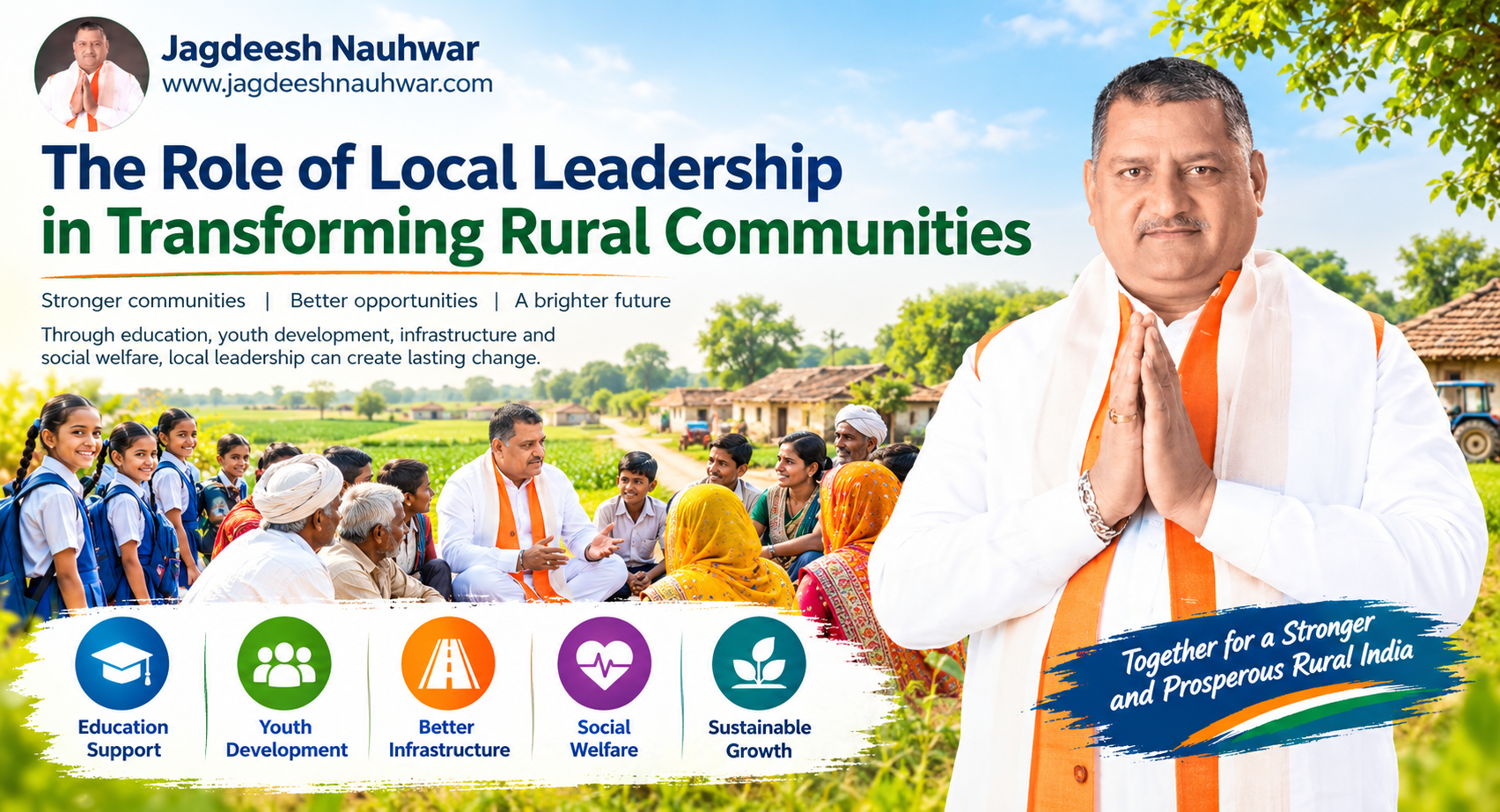
The Role of Local Leadership in Transforming Rural Communities jagdeeshnauhwar.com
jagdeesh nauhwar
1 hour ago in Politics
Rural communities are an important part of India’s social, cultural, and economic development. They contribute to agriculture, preserve local traditions, and support the country’s growing economy. However, many rural areas continue to face challenges related to education, healthcare, infrastructure, employment, and access to essential services. Local leadership can play a valuable role in understanding these challenges and encouraging practical solutions.
Responsible community leaders help connect residents with development opportunities, promote public participation, and encourage cooperation among different groups. Through consistent efforts and a people-focused approach, local leadership can contribute to stronger and more sustainable rural communities.
Understanding the Importance of Local Leadership
Local leadership involves understanding the needs of residents and helping communities work toward shared goals. Unlike approaches that focus only on large-scale development, grassroots leadership pays attention to everyday issues that affect families and individuals.
These issues may include poor road conditions, limited educational resources, access to healthcare, water availability, and employment opportunities. Local leaders can listen to residents, identify common concerns, and encourage discussions about possible solutions.
Effective leadership also requires patience, transparency, and accountability. When people are included in decisions that affect their lives, they are more likely to participate in community initiatives and support long-term development.
Improving Educational Opportunities in Rural Areas
Education is one of the most important foundations of rural development. Quality education helps children gain knowledge, develop practical skills, and prepare for future opportunities. It can also help families make informed decisions about health, employment, and financial well-being.
In some rural areas, students face difficulties such as limited learning resources, transportation problems, and financial barriers. Local leaders can help bring attention to these concerns and encourage cooperation between parents, schools, community organizations, and relevant authorities.
Educational awareness programmes, student guidance, digital learning opportunities, and support for girls’ education can contribute to a more inclusive learning environment.
Community leaders can also encourage parents to participate in school activities and help young people understand the value of continued education. These efforts can support a culture in which learning becomes a shared community priority.
Supporting Youth Development and Employment
Young people have an important role in building the future of rural India. However, limited access to vocational training, career guidance, and suitable employment opportunities can make it difficult for them to achieve their goals.
Local leadership can encourage youth development by promoting skill-building activities, career awareness, entrepreneurship, and community volunteering. Cooperation with educational institutions, training centres, businesses, and government programmes may help young people discover opportunities that match their interests and abilities.
Youth participation in local initiatives also encourages responsibility and teamwork. When young people contribute their ideas to community projects, they can develop leadership skills while helping address local challenges.
Supporting youth is not simply about preparing individuals for employment. It is also about giving them the confidence and opportunities to contribute to their communities.
Strengthening Infrastructure and Basic Services
Reliable infrastructure is essential for rural progress. Roads, drinking water, sanitation, electricity, healthcare facilities, and internet connectivity influence people’s quality of life and economic opportunities.
Local leaders can help residents communicate their needs to the appropriate authorities and understand how public development programmes operate. They can also encourage community participation in identifying priorities and monitoring the progress of local projects.
For example, better road connectivity can improve access to schools, hospitals, and markets. Improved internet access can help students use digital educational resources and enable small businesses to reach more customers.
Meaningful infrastructure development requires planning, public consultation, responsible use of resources, and regular maintenance. Community involvement can help ensure that projects respond to genuine local needs.
Promoting Social Welfare and Community Participation
Rural development should benefit everyone, including women, children, senior citizens, farmers, and economically disadvantaged families. Inclusive leadership recognises that different groups may experience different challenges.
Community awareness programmes can help residents learn about education, healthcare, sanitation, public services, and available welfare schemes. Leaders can also encourage cooperation between voluntary organisations, local institutions, and residents to address shared concerns.
Public meetings and community discussions provide opportunities for people to express their opinions and suggest improvements. Listening respectfully to different perspectives helps build trust and encourages more constructive relationships.
Social welfare initiatives are most effective when they respond to clearly identified needs and operate transparently. Regular communication and accountability help communities understand what has been achieved and where further work is required.
Local Leadership and Development in Mathura
Mathura, Uttar Pradesh, includes urban centres as well as villages with distinct development priorities. Communities in and around the Mant Assembly region may have concerns involving education, agricultural livelihoods, infrastructure, public services, and youth opportunities.
Discussions about local leadership often include public figures who focus on community engagement and social development. popular leader in Mathura Jagdeesh Nauhwar is a search phrase associated with interest in Jagdeesh Nauhwar and his public profile in the region.
When evaluating any public figure, residents should consider reliable information about their activities, documented contributions, public commitments, and accountability. This approach helps people develop a clearer understanding of leadership and its role in community progress.
Qualities of an Effective Community Leader
Successful community development depends on more than public recognition. It requires practical action, cooperation, and a willingness to understand the needs of different residents.
Important qualities of an effective local leader include:
- Honesty: Communicating clearly and acting responsibly.
- Accessibility: Listening to residents and respecting their concerns.
- Accountability: Taking responsibility for decisions and commitments.
- Inclusiveness: Encouraging participation from different sections of society.
- Problem-solving: Helping identify realistic approaches to local challenges.
- Consistency: Maintaining attention on community priorities over time.
These qualities provide useful standards for evaluating leadership and encouraging constructive public participation.
Conclusion
Local leadership can contribute significantly to the transformation of rural communities by supporting education, youth development, essential infrastructure, social welfare, and public participation. Lasting progress requires cooperation between residents, public institutions, educational organisations, and community groups.
A strong rural community is built when people have opportunities to participate in decisions, access essential services, and work together toward shared goals. By focusing on transparency, inclusion, and practical solutions, local leadership can help create a more promising future for rural India.
voters
Report Story 
Related Stories



Recent Stories