 Sneha Ahlawat
55 minutes ago in Business Services
Sneha Ahlawat
55 minutes ago in Business Services
High Authority Social Bookmarking Site for Indian SEO in 2026 - A2Bookmarks India
A2Bookmarks India stands as the nation's premier social bookmarking site, expertly crafted for Indian users and businesses to enhance their digital visibility. Our social bookmarking site for India allows you to seamlessly save, organize, and promote essential web content while engaging with India's rapidly expanding online community. As one of the most effective Indian social bookmarking sites for 2026, our advanced SEO-optimized features help significantly boost website traffic and strengthen search engine presence across diverse markets. Join our thriving network among India's top social bookmarking sites to discover curated content, connect with industry professionals, and accelerate your digital growth. Start maximizing your online impact today with our tailored platform among the best social bookmarking sites for the Indian market designed specifically for the Indian digital landscape.
How Blockchain Development Companies Are Powering RWA Tokenization wisewaytec.com
Sneha Ahlawat
55 minutes ago in Business Services
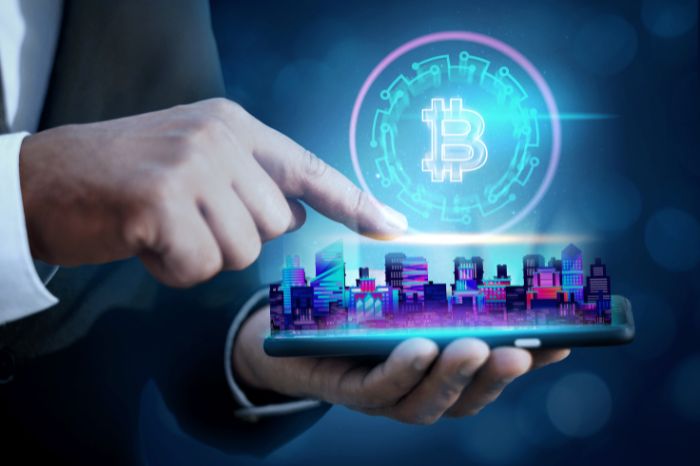
Real-world assets (RWAs) have become an important use case for blockchain technology. From real estate and commodities to private equity, artwork, and financial instruments, many physical and traditional assets can now be represented digitally on a blockchain.
This process is known as RWA tokenization.
RWA tokenization allows ownership or rights connected to an asset to be represented through digital tokens. These tokens can be stored, transferred, and managed on a blockchain network based on predefined rules.
However, tokenizing an asset is not as simple as creating a digital token. Businesses need secure smart contracts, blockchain infrastructure, legal compliance, asset management systems, wallets, marketplaces, and integrations.
This is where a Blockchain Development Company plays an important role.
What Is RWA Tokenization?
RWA tokenization is the process of converting rights or ownership associated with a real-world asset into digital tokens on a blockchain.
For example, consider a commercial property valued at $10 million. Instead of requiring one investor to purchase the entire property, a business could structure digital tokens representing fractional interests in the asset, subject to the applicable legal and regulatory framework.
Other assets that can potentially be tokenized include:
- Real estate
- Gold and other commodities
- Company shares
- Private credit
- Government securities
- Investment funds
- Artwork and collectibles
- Carbon credits
- Intellectual property
- Agricultural assets
The exact structure depends on the asset, jurisdiction, ownership model, and regulatory requirements.
The main idea is to connect traditional assets with blockchain-based infrastructure.
Why Is RWA Tokenization Gaining Attention?
Traditional asset markets can involve several limitations. Transactions may require multiple intermediaries, paperwork, manual verification, and lengthy settlement processes.
Blockchain can help streamline some of these processes by creating a shared digital record of ownership and transactions.
Potential benefits of RWA tokenization include:
Fractional Ownership
Tokenization can make it possible to divide an asset into smaller units. This may lower the entry barrier for certain investment opportunities, depending on the legal structure.
Faster Transactions
Blockchain-based systems can automate parts of the transfer and settlement process. This can reduce manual work and improve transaction speed.
Greater Transparency
Blockchain records can provide a transparent history of transactions. Participants can verify relevant information according to the permissions and system design.
Automated Processes
Smart contracts can automate predefined actions. For example, a smart contract may distribute payments to eligible token holders based on predetermined rules.
Improved Asset Management
Digital records can make it easier to track ownership, transfers, and other asset-related activities from a single platform.
How a Blockchain Development Company Supports RWA Tokenization
Building an RWA tokenization platform requires more than blockchain knowledge. It requires an understanding of smart contracts, digital assets, security, integrations, and the business model behind the asset.
A Blockchain Development Company can support different stages of the tokenization process.
1. Choosing the Right Blockchain Network
The first step is selecting a suitable blockchain network.
The choice may depend on:
- Transaction costs
- Transaction speed
- Scalability
- Smart contract capabilities
- Security
- Ecosystem support
- Wallet compatibility
- Regulatory requirements
A development team evaluates these factors before selecting the network for the project.
The goal is to build an infrastructure that can support the expected transaction volume and business requirements.
2. Designing the Token Model
Every RWA project needs a clear token structure.
The token may represent ownership, a financial interest, access rights, or another legally defined claim connected to an underlying asset.
A blockchain development team can help design:
- Token supply
- Token distribution
- Transfer rules
- Ownership structure
- Investor permissions
- Whitelisting
- Redemption mechanisms
- Governance features
The technical design should match the project’s legal and business structure.
3. Smart Contract Development
Smart contracts are one of the core components of RWA tokenization.
They define how tokens behave on the blockchain.
For example, a smart contract can manage:
- Token issuance
- Token transfers
- Ownership records
- Investor eligibility
- Payment distribution
- Redemption
- Access restrictions
A Blockchain Development Company can develop and test smart contracts according to the project’s requirements.
Security is particularly important because errors in smart contract logic can create financial and operational risks. Proper testing and independent security audits should therefore be part of the development process.
4. KYC and Compliance Integration
RWA tokenization often involves regulated assets or financial activities. As a result, businesses may need identity verification, investor screening, transaction monitoring, and other compliance processes.
A tokenization platform can integrate KYC and AML providers to verify users before they receive access to certain assets or transactions.
A development company can connect these systems with the blockchain platform while keeping the user experience simple.
Compliance requirements vary by country and asset type, so businesses should work with qualified legal and compliance professionals alongside their technical development team.
5. Building Tokenization Platforms
A token alone is not enough to operate an RWA project.
Businesses may need a complete platform where users can register, complete verification, view assets, purchase tokens, manage holdings, and monitor transactions.
A tokenization platform may include:
- User registration
- KYC verification
- Digital wallets
- Asset listings
- Token purchase functionality
- Portfolio management
- Transaction history
- Admin dashboard
- Payment integration
- Reporting tools
A Blockchain Development Company can develop these components and connect them to the underlying blockchain infrastructure.
6. Developing RWA Marketplaces
Some businesses may also require a marketplace where eligible users can buy or sell tokenized assets.
An RWA marketplace can provide asset information, token prices, ownership details, transaction history, and other relevant data.
The marketplace needs strong access controls and a secure transaction system. It may also require integration with wallets, payment systems, identity verification providers, and blockchain networks.
The marketplace design should reflect the legal restrictions that apply to the underlying assets.
7. Connecting Off-Chain and On-Chain Data
One of the biggest challenges in RWA tokenization is connecting physical assets with blockchain records.
For example, a token may represent an interest in real estate, but information about the property exists outside the blockchain.
This creates a need for reliable data connections.
A development company can build integrations that connect blockchain applications with:
- Property databases
- Banking systems
- Custodians
- Accounting platforms
- Payment providers
- Identity verification systems
- Asset management systems
Oracles and other data infrastructure can also help bring verified external information into blockchain applications where required.
8. Security and Monitoring
RWA platforms can handle valuable assets and sensitive user information. Security therefore needs to be considered from the beginning of development.
A development team can implement measures such as:
- Smart contract testing
- Access control
- Wallet security
- Encryption
- Multi-signature authorization
- Transaction monitoring
- Role-based permissions
- Security audits
- Continuous system monitoring
Regular security reviews can help identify vulnerabilities before they become major problems.
Challenges of RWA Tokenization
Despite its potential, RWA tokenization also comes with challenges.
Regulatory Complexity
Different countries have different rules for securities, property ownership, financial products, and digital assets. A tokenization model must account for these requirements.
Asset Verification
The connection between the physical asset and its digital representation must be reliable. Poor verification can reduce trust in the entire platform.
Liquidity
Creating tokens does not automatically create a liquid market. There must be sufficient demand and an appropriate trading or transfer mechanism.
Data Management
RWA platforms often depend on information from external systems. Maintaining accurate and reliable data is essential.
Security
Smart contracts, wallets, APIs, and user accounts can all become potential security risks if they are not properly designed and maintained.
The Future of RWA Tokenization
RWA tokenization is moving blockchain technology beyond cryptocurrencies and into traditional asset markets.
As businesses explore digital ownership models, blockchain infrastructure can provide the technical foundation for issuing, managing, transferring, and tracking tokenized assets.
The future of RWA tokenization will likely depend on several factors, including clearer regulations, better interoperability, stronger security standards, reliable asset verification, and greater adoption by financial institutions and businesses.
For companies planning an RWA project, choosing the right technical partner is equally important. The development team should understand not only blockchain development but also smart contracts, integrations, security, token design, and the operational requirements of the platform.
Final Thoughts
RWA tokenization can create new ways to represent and manage traditional assets through blockchain technology. But turning an asset into a useful and secure digital product requires careful planning and technical execution.
A reliable Blockchain Development Company can help businesses move from tokenization concepts to working platforms by developing smart contracts, blockchain infrastructure, wallets, marketplaces, integrations, and security systems.
For businesses exploring RWA tokenization, the focus should not be only on creating tokens. The larger goal should be building a secure, compliant, and practical ecosystem around those tokens.
Build Your RWA Tokenization Solution With WisewayTec
WisewayTec helps businesses explore blockchain-based solutions, including custom blockchain development, token development, smart contract development, and Web3 applications. With the right technical strategy and development approach, businesses can build RWA tokenization platforms designed around their specific asset, users, and business requirements.
If your business is planning to tokenize real-world assets, WisewayTec can help turn the concept into a practical blockchain solution.
voters
Report Story Related Stories









Recent Stories