 Joseph Swamidass
1 month ago in Retail Shops
Joseph Swamidass
1 month ago in Retail Shops
High Authority Social Bookmarking Site for Indian SEO in 2026 - A2Bookmarks India
A2Bookmarks India stands as the nation's premier social bookmarking site, expertly crafted for Indian users and businesses to enhance their digital visibility. Our social bookmarking site for India allows you to seamlessly save, organize, and promote essential web content while engaging with India's rapidly expanding online community. As one of the most effective Indian social bookmarking sites for 2026, our advanced SEO-optimized features help significantly boost website traffic and strengthen search engine presence across diverse markets. Join our thriving network among India's top social bookmarking sites to discover curated content, connect with industry professionals, and accelerate your digital growth. Start maximizing your online impact today with our tailored platform among the best social bookmarking sites for the Indian market designed specifically for the Indian digital landscape.
Top 5 Custom Made Neon Lights for Architecture 2026 oasisneonsigns.co.uk
Joseph Swamidass
1 month ago in Retail Shops
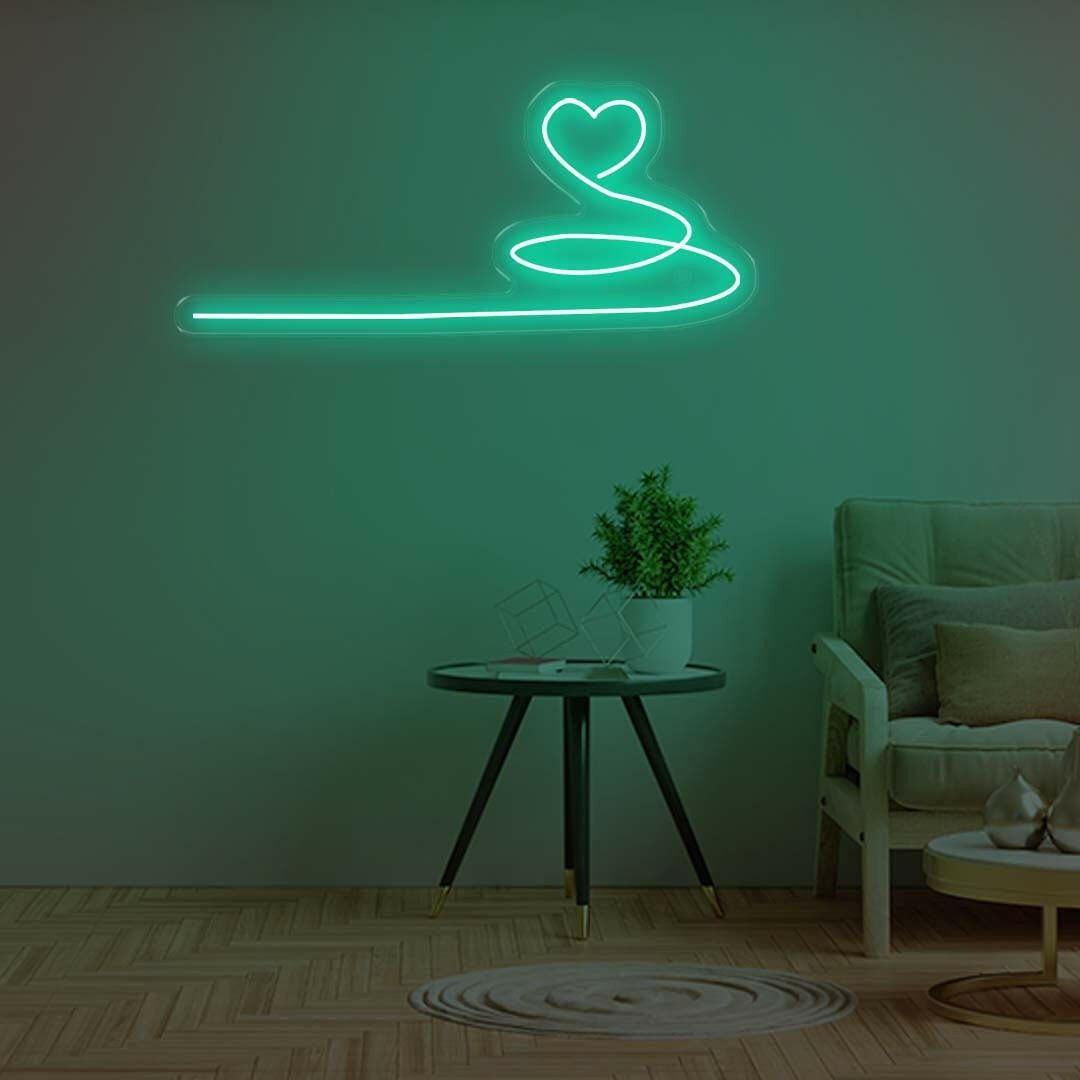
By 2026, custom made neon lights will be integrated into the structural blueprints of 40% of new commercial builds. Custom made neon lights for architecture are bespoke luminous elements designed to highlight structural features, aid wayfinding, or define spatial boundaries. If you’re an architect or interior designer, you must understand this fusion of light and structure. By the end, you’ll know the top 5 architectural applications, structural mounting methods, and compliance factors.
Why Integrate Neon in Architecture?
Architects integrate neon because it transforms static building materials into dynamic, interactive spaces that respond to the human need for warmth and direction. A 2024 architectural digest noted that buildings featuring integrated ambient lighting report 25% higher tenant satisfaction rates. Light is no longer an afterthought; it is a building material.
Quick Takeaway: Integrated architectural lighting increases tenant satisfaction by 25% by making static spaces feel dynamic and welcoming.
Gone are the days of slapping a sign on a finished wall. Modern design requires the light to be part of the wall. I once designed a retail space where we forgot to account for the transformer housing in the initial drywall plans. We had to cut unsightly holes in the finished wall—a costly and embarrassing mistake. Read more about planning in [our architectural lighting guide].
What Are the Top 5 Architectural Uses?
The top five uses are cove lighting, floating staircases, facade lettering, room dividers, and perimeter tracing.
- Cove Lighting: Hiding neon strips in ceiling recesses.
- Staircases: Tracing the underside of floating steps.
- Facades: Backlit company names on exterior concrete.
- Dividers: Glowing acrylic panels separating zones.
- Perimeter Tracing: Outlining doorways or architectural niches.
Quick Takeaway: Use neon for cove lighting, staircase tracing, and glowing dividers to seamlessly blend structure with light.
According to 2025 commercial design data, floating staircases with integrated tracing are the most requested feature in corporate lobbies. Discover more corporate trends in [our modern office design guide].
How Are They Structurally Mounted?
They are mounted using aluminum extrusion tracks, recessed J-channels, or custom-fabricated steel brackets built directly into the framing. Unlike hanging a picture, architectural neon must be flush with the surface. The aluminum tracks hold the LED flex securely and are painted to match the surrounding architecture, making the light source invisible until it turns on.
Quick Takeaway: Use hidden aluminum extrusion tracks or J-channels during framing to achieve a seamless, flush architectural mount.
Contrarian Opinion: Most architects try to hide the neon tubing completely. However, leaving the tubing slightly exposed creates a beautiful industrial contrast against clean drywall that is highly sought after in brutalist modern design.
Do They Meet Building Codes?
They easily meet building codes when specified with low-voltage LED drivers, proper thermal management, and fire-rated backings. Traditional glass neon required special ventilation due to heat and gas. Modern LED flex operates at safe temperatures and uses Class 2 low-voltage wiring, which is heavily regulated and incredibly safe.
Quick Takeaway: Specify low-voltage LED drivers and fire-rated acrylic backings to easily pass commercial building electrical inspections.
Always provide the sign’s electrical specifications to the structural engineer early. According to the International Code Council, low-voltage lighting has different conduit requirements than line voltage. For compliance details, see [our building code lighting guide].
Can They Be Used for Wayfinding?
They are excellent for wayfinding because they provide both visual direction and ambient illumination in hallways and lobbies. Instead of ugly printed exit signs or plastic directional arrows, a glowing line of neon tracing the floor or ceiling guides people intuitively. Hospitals and airports are increasingly adopting this method to reduce visual clutter.
Quick Takeaway: Replace cluttered directional signs with glowing architectural lines to guide occupants intuitively through commercial spaces.
Wayfinding should be subtle. If the lighting is too bright, it becomes disorienting rather than helpful. Learn more about spatial flow in [our architectural wayfinding guide].
What Is Cove Lighting Integration?
Cove lighting integration involves hiding custom LED neon strips inside architectural ledges or ceiling drops to create an indirect, glare-free upward wash of light. This technique makes low ceilings feel infinitely higher and eliminates the harsh shadows cast by recessed can lights. The light bounces off the ceiling, filling the room with a soft, even glow.
Quick Takeaway: Hide neon strips in ceiling coves to create an indirect, upward wash of light that eliminates shadows and raises perceived ceiling height.
The key to cove lighting is spacing the neon tube exactly 4 to 6 inches away from the back wall to prevent hot spots on the ceiling. Explore more techniques in [our indirect lighting guide].
How Do You Design for Exterior Facades?
Exterior facade design requires IP68 waterproof rated neon flex, marine-grade stainless steel mounting hardware, and anti-UV coatings to prevent yellowing. Exterior environments are brutal. UV rays from the sun will degrade standard acrylic and silicone within a year. Architectural grade neon uses specialized compounds to resist fading, cracking, and moisture ingress.
Quick Takeaway: Always specify IP68 ratings and anti-UV coatings for exterior architectural neon to prevent sun damage and water ingress.
Exterior installations also require careful planning for thermal expansion. The aluminum tracks must allow the silicone tubing to expand and contract with temperature changes. For exterior specs, read [our facade lighting manual].
At a Glance: Architectural Neon Checklist
- Integrate lighting into the structural blueprint, not as an afterthought.
- Use aluminum extrusion tracks for seamless, flush mounting.
- Specify low-voltage drivers to easily meet commercial building codes.
- Implement subtle glowing lines for intuitive wayfinding.
- Space cove lighting 4 to 6 inches from the back wall.
- Demand IP68 and anti-UV coatings for all exterior applications.
You can absolutely redefine how people experience physical spaces by merging structure with luminous design. Which architectural feature in your current project could benefit from integrated light?
voters
Report Story 
Related Stories








Recent Stories