 Zenup Health
15 hours ago in Health & Wellness
Zenup Health
15 hours ago in Health & Wellness
High Authority Social Bookmarking Site for Indian SEO in 2026 - A2Bookmarks India
A2Bookmarks India stands as the nation's premier social bookmarking site, expertly crafted for Indian users and businesses to enhance their digital visibility. Our social bookmarking site for India allows you to seamlessly save, organize, and promote essential web content while engaging with India's rapidly expanding online community. As one of the most effective Indian social bookmarking sites for 2026, our advanced SEO-optimized features help significantly boost website traffic and strengthen search engine presence across diverse markets. Join our thriving network among India's top social bookmarking sites to discover curated content, connect with industry professionals, and accelerate your digital growth. Start maximizing your online impact today with our tailored platform among the best social bookmarking sites for the Indian market designed specifically for the Indian digital landscape.
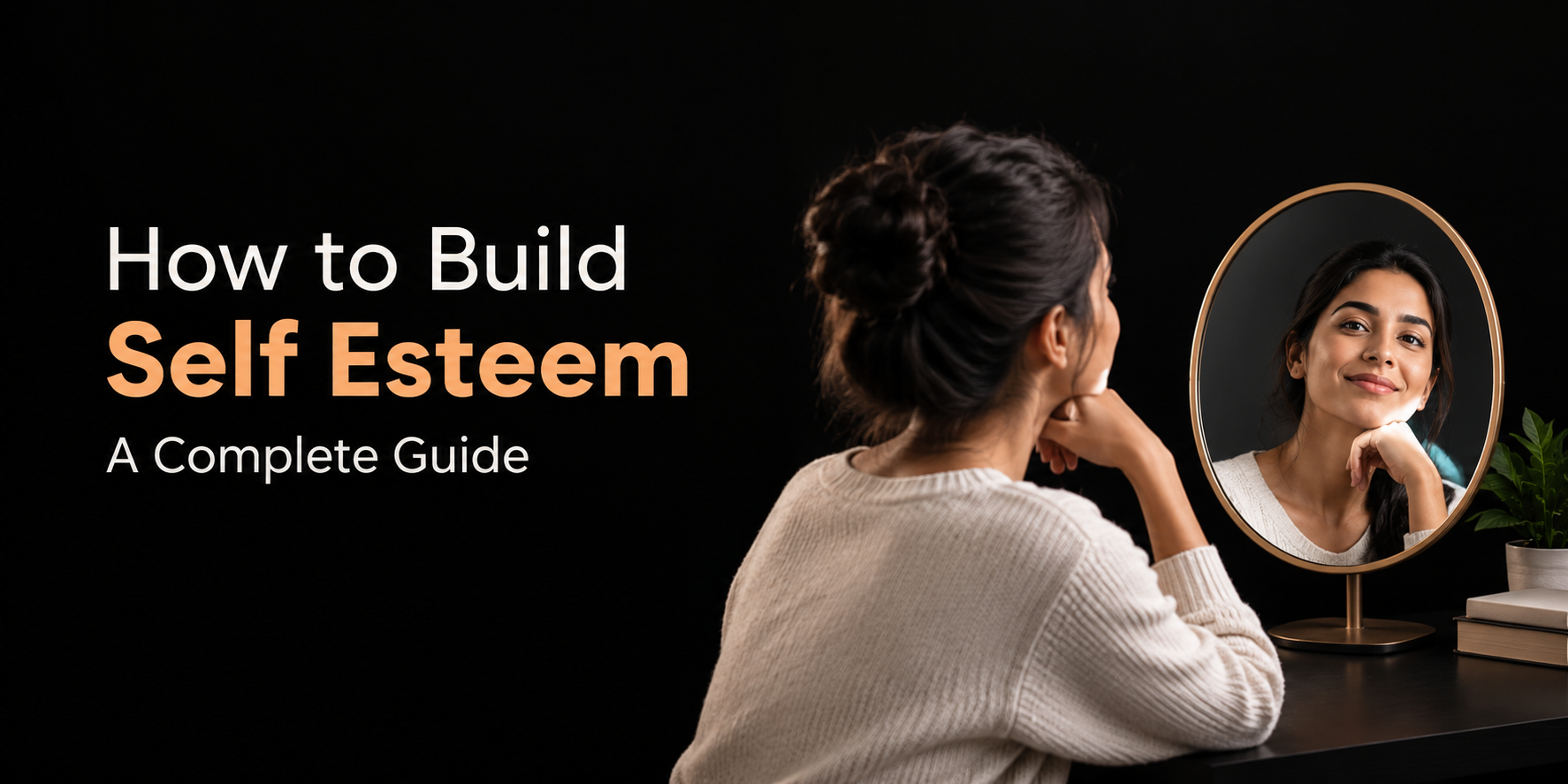
How to Build Self Esteem – A Complete Guide zenuphealth.com
Zenup Health
15 hours ago in Health & Wellness
The way you think about yourself can influence how you handle challenges, relationships, decisions, and setbacks. When self-esteem is low, it is easy to focus on your flaws, question your abilities, or feel that you are not good enough. Over time, these thoughts can affect different areas of everyday life.
Building self-esteem starts with changing the way you relate to yourself. It involves recognising your strengths, accepting imperfections, setting realistic expectations, and learning to respond to mistakes with greater understanding. With regular practice, these small changes can gradually lead to a healthier sense of self-worth.
If you are wondering how to build self esteem, the process starts with understanding where negative self-beliefs come from and learning practical ways to respond to them.
What is Self-Esteem?
Self-esteem refers to the way you perceive and value yourself. It is not the same as believing that you are better than other people or feeling confident all the time.
Healthy self-esteem means being able to recognise your strengths while also accepting that you have limitations and make mistakes. Someone with healthy self-esteem can experience failure or criticism without automatically viewing themselves as a failure.
Self-esteem can change depending on experiences and circumstances. Difficult relationships, repeated criticism, bullying, academic or work-related setbacks, major life changes, and unrealistic comparisons can all contribute to negative beliefs about yourself.
What Are the Signs of Low Self-Esteem?
Before learning how to build self esteem, it can help to recognise patterns that may indicate that your self-esteem needs attention.
Common signs include:
- Frequently comparing yourself with others
- Being highly critical of yourself
- Finding it difficult to accept compliments
- Constantly worrying about what others think
- Feeling that you are not good enough
- Avoiding challenges because you fear failure
- Apologising excessively
- Having difficulty setting boundaries
- Focusing more on mistakes than achievements
- Depending heavily on external approval
- Assuming that others are judging you negatively
Having some of these experiences occasionally does not necessarily mean you have chronically low self-esteem. However, persistent patterns that interfere with relationships, work, studies, or everyday life may be worth discussing with a mental health professional.
How to Build Self Esteem: 10 Practical Strategies
Building self-esteem is usually a gradual process rather than something that changes overnight. The following strategies can help you develop a more balanced and supportive view of yourself.
1. Notice Your Inner Critic
Pay attention to the way you speak to yourself, particularly after making a mistake or experiencing disappointment.
You might notice thoughts such as:
- “I always mess things up.”
- “I am not capable.”
- “Everyone else is better than me.”
- “I should have done this perfectly.”
Instead of accepting these thoughts as facts, pause and examine them.
Ask yourself:
“Would I speak to someone I care about in this way?”
If the answer is no, try replacing harsh self-judgment with something more realistic. This does not mean pretending everything is positive. It means learning to evaluate yourself fairly.
2. Challenge Negative Self-Beliefs
Low self-esteem can involve deeply established beliefs about yourself. For example, one mistake may reinforce the belief that you are incapable, even when your overall experience tells a different story.
When a negative belief appears, look for evidence both for and against it.
Instead of:
“I cannot do anything well.”
Try:
“I struggled with this particular task, but that does not mean I am incapable of everything.”
The aim is not to create unrealistic positive statements. It is to develop a more accurate and balanced perspective.
3. Stop Comparing Yourself with Others
Social media can make comparison particularly difficult. You may see someone’s achievements, appearance, relationships, travel, career, or lifestyle without seeing the difficulties behind those moments.
Constant comparison can create unrealistic standards and make your own progress seem insignificant.
Rather than asking, “Am I doing as well as them?”, consider asking:
“Am I making progress compared with where I was before?”
Focusing on your own development can create a healthier basis for evaluating yourself.
4. Set Small, Achievable Goals
One practical answer to how to build self esteem is to create opportunities to experience progress.
Large goals can sometimes feel overwhelming. Break them into smaller actions that are realistic and measurable.
For example, instead of setting a vague goal such as “become more confident,” you might:
- Speak up once during a meeting
- Start a conversation with someone new
- Complete a task you have been avoiding
- Spend 20 minutes learning a new skill
- Go for a short walk each day
Completing manageable goals can reinforce the belief that you are capable of taking action and making progress.
5. Learn to Accept Compliments
People with low self-esteem sometimes dismiss positive feedback.
Someone may say, “You did a great job,” and the immediate response may be:
“I was just lucky.”
Try simply saying, “Thank you.”
You do not have to agree with every compliment or suddenly change your opinion of yourself. Allowing positive feedback to be acknowledged can help counter the habit of focusing exclusively on your perceived shortcomings.
6. Treat Mistakes as Experiences, Not Definitions
Everyone makes mistakes. However, low self-esteem can turn a specific mistake into a negative judgment about your entire identity.
There is a significant difference between:
“I made a mistake.”
and
“I am a failure.”
The first statement describes an event. The second turns that event into a judgment about who you are.
When something goes wrong, ask:
- What happened?
- What can I learn from it?
- What would I do differently next time?
- Is there anything I can do to repair the situation?
This approach allows mistakes to become opportunities for learning instead of evidence against your self-worth.
7. Set Healthier Boundaries
Constantly agreeing to things you do not want to do can leave you feeling overwhelmed, resentful, or disconnected from your own needs.
Healthy boundaries involve recognising what you are comfortable with and communicating those limits respectfully.
You can start with simple statements such as:
- “I won’t be able to do that today.”
- “I need some time before I decide.”
- “That doesn’t work for me.”
- “I understand your perspective, but I see it differently.”
Learning to express your needs does not make you selfish. It can be part of developing greater respect for yourself and your relationships.
8. Spend Time With Supportive People
The people around you can influence how you perceive yourself.
Relationships involving constant criticism, humiliation, manipulation, or comparison may contribute to negative self-perceptions. On the other hand, supportive relationships can provide encouragement, acceptance, and constructive feedback.
Consider how you feel after spending time with the people in your life.
Do you generally feel respected and accepted, or do you frequently leave interactions questioning your worth?
Building supportive connections and limiting unnecessary exposure to consistently negative interactions can be an important part of improving self-esteem.
9. Take Care of Your Physical & Emotional Well-Being
Self-esteem is not built entirely through positive thinking.
Your everyday habits can influence your mood, energy, and ability to cope with challenges. Regular physical activity, sufficient sleep, nutritious meals, time for relaxation, meaningful activities, and social connection can all contribute to overall well-being.
You do not need to transform your lifestyle overnight.
Focus on consistent, manageable habits rather than perfection. Small improvements can be more sustainable than extreme changes.
10. Consider Professional Support
Sometimes low self-esteem is closely connected with experiences that are difficult to work through alone. Long-standing criticism, bullying, relationship difficulties, trauma, anxiety, depression, or other emotional concerns may influence how you see yourself.
A psychologist or therapist can help you identify unhelpful thought patterns, understand where negative beliefs come from, and develop healthier ways of responding to them.
Therapy can also provide a structured space to work on confidence, boundaries, self-compassion, relationships, and other concerns that may be connected with low self-esteem.
How Long Does It Take to Build Self-Esteem?
There is no fixed timeline for improving self-esteem.
Some people notice changes after making small but consistent adjustments, while others may need more time, particularly when negative self-beliefs have developed over many years.
Progress may not always feel obvious. You might notice that you recover more quickly from criticism, take on challenges you previously avoided, or stop automatically believing every negative thought about yourself.
These small changes matter.
The goal is not to feel confident every moment. Healthy self-esteem involves being able to recognise your value even when you experience setbacks, criticism, uncertainty, or failure.
What Not to Do When Building Self-Esteem
Knowing how to build self esteem also means understanding approaches that may not be helpful.
Avoid relying on:
- Constant External Validation: Depending entirely on praise, likes, approval, or reassurance from others can make your sense of worth vulnerable to other people’s reactions.
- Perfectionism: Trying to eliminate every mistake can create unrealistic expectations and reinforce self-criticism.
- Positive Thinking Without Reflection: Simply repeating positive statements may not address deeply rooted negative beliefs. More useful change often involves examining those beliefs and developing realistic alternatives.
- Comparing Yourself Constantly: Another person’s achievements do not provide a complete measurement of your own worth or progress.
- Avoiding Every Uncomfortable Situation: Avoidance may provide temporary relief but can prevent you from discovering that you are capable of handling challenging situations.
When Should You Seek Professional Help?
Low self-esteem is not automatically a mental health disorder. However, professional support may be useful when negative self-beliefs are persistent or significantly affect your life.
Consider speaking with a mental health professional if low self-esteem is contributing to:
- Persistent sadness or hopelessness
- Anxiety or excessive worry
- Social withdrawal
- Relationship difficulties
- Problems at work or school
- Difficulty setting boundaries
- Significant self-criticism
- Avoidance of everyday activities
- Feelings of worthlessness
A psychologist can help explore the underlying factors and identify an appropriate approach to support your mental well-being.
Final Thoughts
Learning how to build self esteem is not about becoming confident all the time or eliminating every insecurity. It is about developing a more balanced relationship with yourself.
Start by noticing your self-critical thoughts, challenging unrealistic beliefs, setting achievable goals, accepting compliments, learning from mistakes, establishing healthy boundaries, and surrounding yourself with supportive people.
Most importantly, give yourself time. Self-esteem often develops through repeated experiences of treating yourself with fairness, taking meaningful action, and recognising that your worth is not determined by perfection or other people’s opinions.
If you feel that low self-esteem is affecting your everyday life or relationships, speaking with a mental health professional can provide additional support. Zenup Health offers personalised therapy and counselling for individuals looking to work through concerns related to self-esteem and overall emotional well-being.
voters
Report Story 
Related Stories












Recent Stories